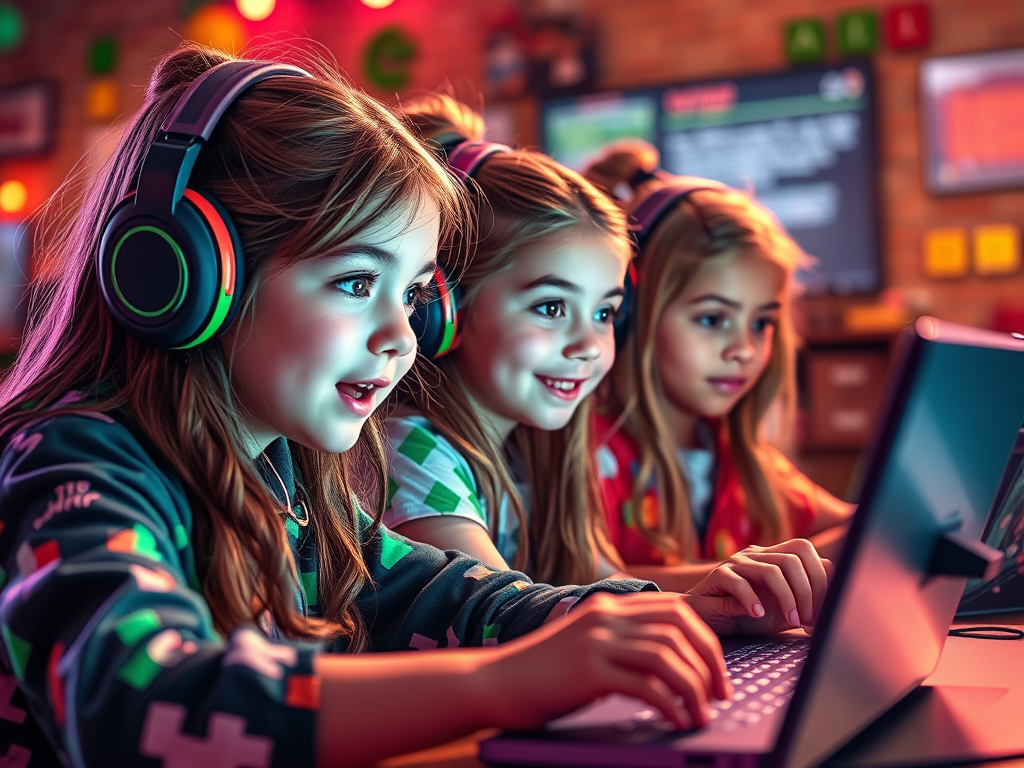
I have taught KS3 Computer Science in different ways for a few years to try to find the magic formula that will make students fall in love with coding. Students learn to code by following instructions, looking at examples, debugging their code and problem-solving. It works, kind of. They pass exams. But do they love it? Do they see themselves as creators of code?
This year, I took a module on creative education at Reading University that completely changed how I think about teaching Computer Science. I expected it to be mainly about how to make students more creative. I was wrong. Here’s what I learned, and how you can use it too.
First, to ensure you motivate students and you encourage them to be creative with their code, you have to consider yourself creative and practise your own creativity. This sounds very simple, but here is the challenge: when was the last time as a teacher that you booked some time just for yourself to be creative? This is what our teacher Becca told us: “You need to book a date with yourself, add it to the calendar and call it: ‘The creative date’.” It comes with some rules: you are not allowed to share that time with anyone else, and you have to spend at least an hour being creative. You can sing, draw, play an instrument, code… entirely up to you. I know, this is quite difficult for many teachers, especially if they are burned out, exhausted or depressed. But here is my point: we are usually so busy supporting students’ needs that we neglect our own! I think my first reaction was: “I am too busy for that”, but after reading all the research available about it, I changed my mind and now I have a date with myself!
This leads me to the second point: creativity is not just for Art class. Creativity is about generating original ideas, taking risks, and solving problems in new ways. That’s exactly what programmers do. I knew this before I took the module, as it was part of my research for my PGCE. This is the reason why we use Minecraft Education in my school. Minecraft’s coding editor enables students to code something, run it, and test what they have created. It’s a fantastic environment for learning how to code your own unique structures with enough freedom to avoid conformism. The value of coding this way is in the process, not in the final product, as students seem much more resilient to the frustration of constantly getting errors in their code when they are in a play-based environment.
My last point is collaboration. Most CS education is individualistic: one student, one problem, one correct solution. We assess individually, grade individually, and rank students against each other. But real-world software development is intensely collaborative. Developers pair-program, review each other’s code, discuss architecture in teams, and build on each other’s ideas. I am encouraging my students to do more pair-programming, to create presentations about their code and explain it to others, and to participate in class competitions.
If we want students who innovate, who take risks, who genuinely love code, we need to redesign our classrooms. Not by lowering standards, but by creating space for exploration, safety for failure, and time for play.
The irony? When I made these changes, exam results didn’t drop. They stayed the same, or improved.
Try one thing this term. Just one. Make space for students to play, to fail, to create something they actually care about. See what happens and then, tell me about it!

 COMPUTER SCIENCE REVISION
Leave a comment